Minimum 5 metres · Width 44–120″Delivery across India & worldwide

FABRIC PRINTING · AHMEDABAD

Fabric printing for cotton, silk, polyester & more.

Explore fabric families and discuss a printing method for your actual material, artwork and end use.

Start with your fabric.

Composition comes first. A fabric name, weave or finish alone cannot confirm how it will print.

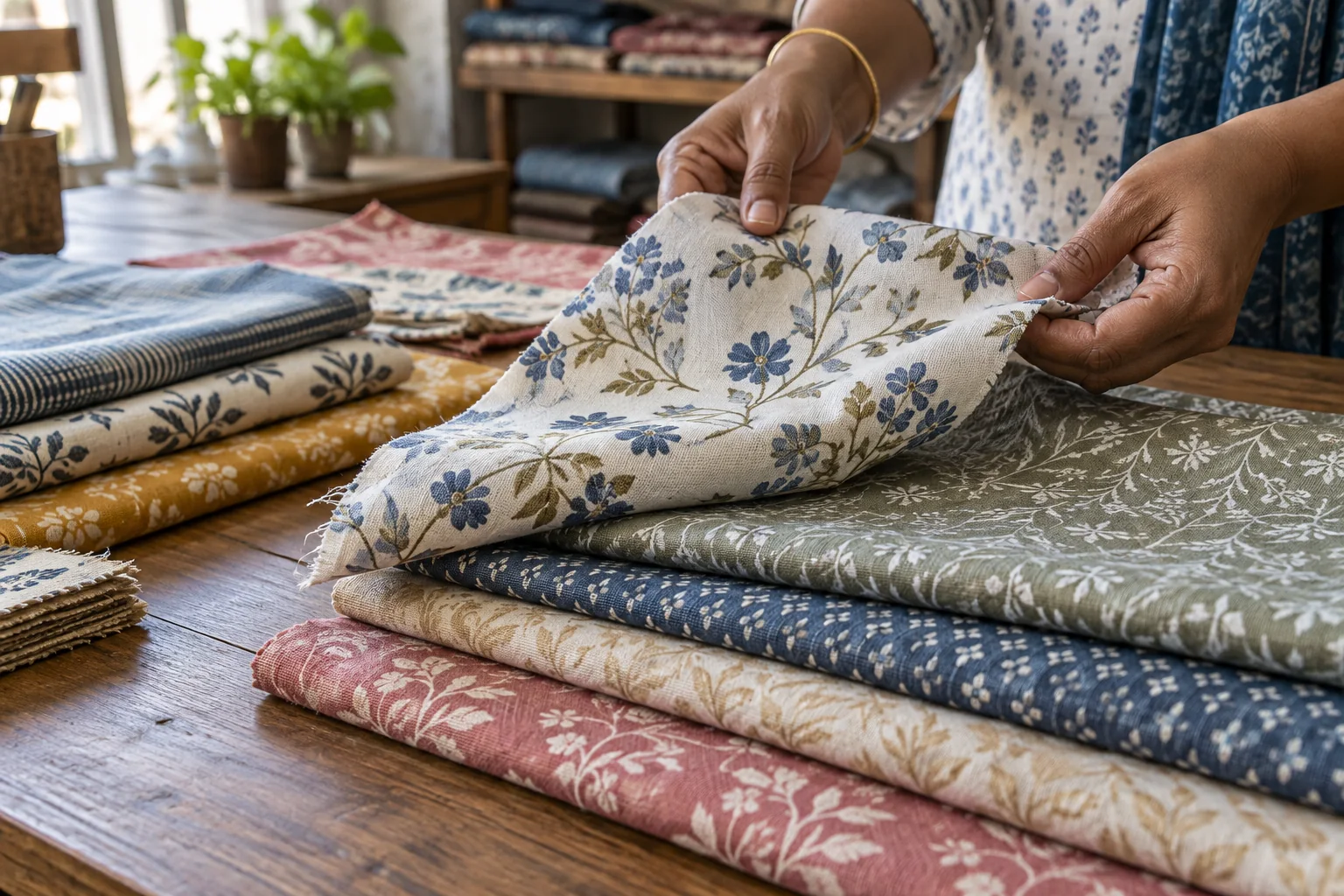
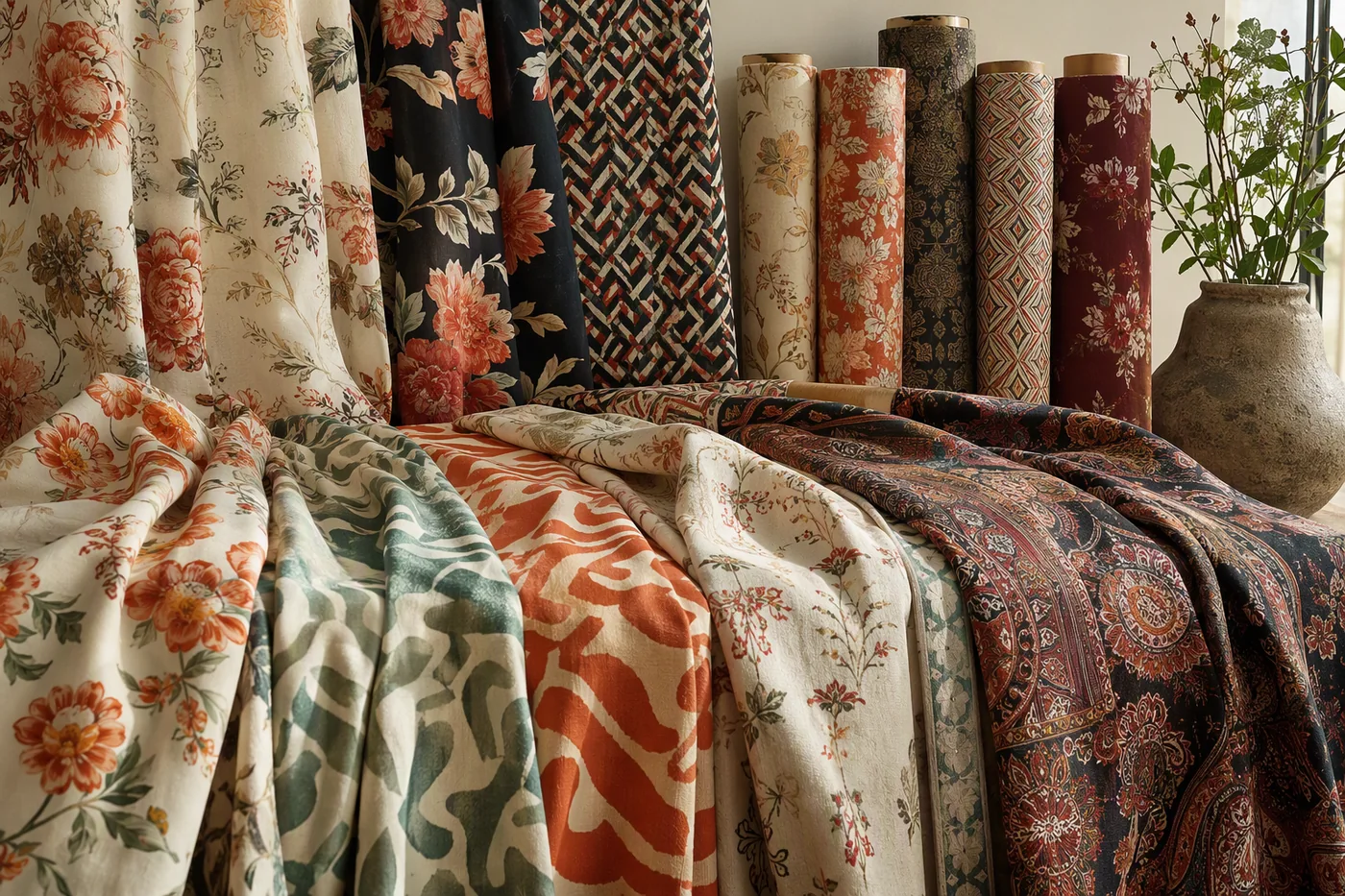
Printed fabric rolls with floral and geometric patternsVisual reference

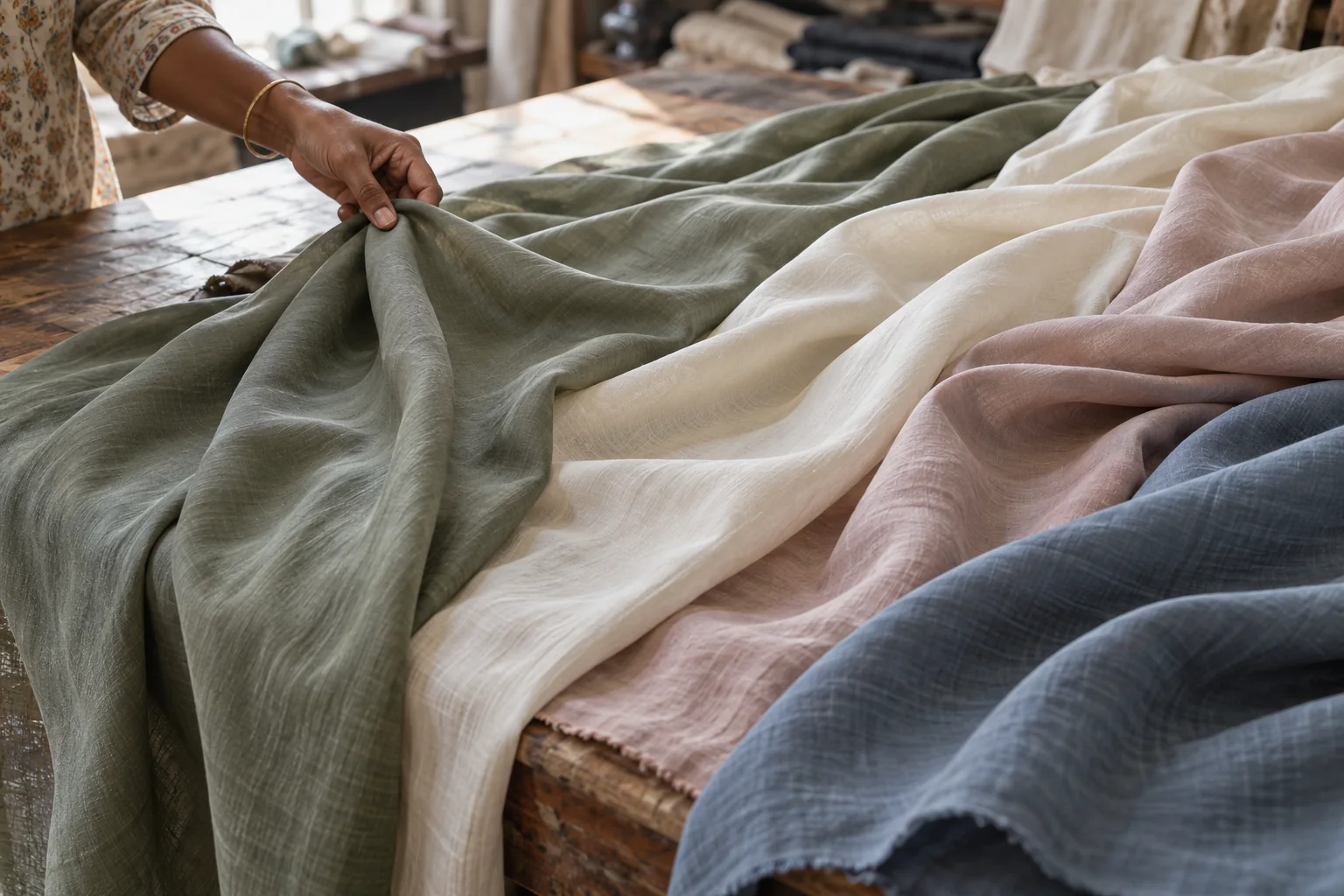
Natural fibres

Cotton · Silk · Linen

Cotton, silk and linen are common starting points for fashion and furnishing briefs. Muslin, voile, lawn, poplin, canvas and denim are fabric constructions or finishes that need their own handling review. Share weight, weave, preparation and width rather than only a broad fabric name.

Draped fabric swatches being examined on a tableVisual reference

Regenerated fibres

Rayon · Viscose · Modal · Lyocell

Rayon, viscose, modal and lyocell can have a fluid drape and different processing needs. Share the exact composition, finish and intended end use; sampling helps assess print appearance and material response.

Illustrative fashion fabric texturesVisual reference

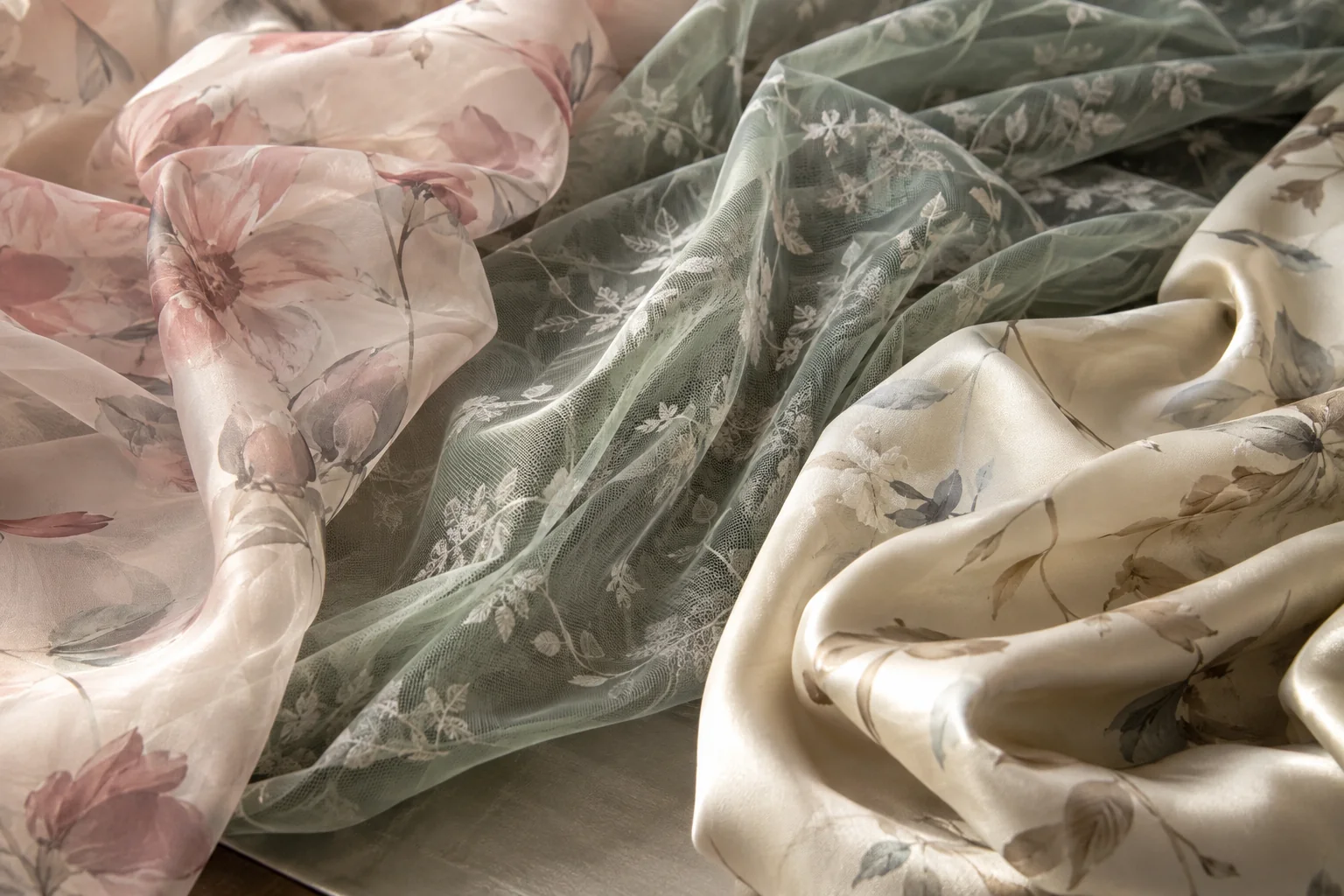
Synthetics & fashion fabrics

Polyester · Sheers · Satins · Textures

Polyester may be considered for suitable sublimation work. Organza, net, georgette, chiffon, crepe, satin, velvet, jacquard and twill describe constructions or finishes that can have different fibre contents. Confirm both composition and the fabric structure before choosing a route.

Illustrative mixed textile swatchesVisual reference

Blends & selected materials

Cotton blends · Polyester blends · Furnishing textiles

Cotton blends, polyester blends, organza tissue, furnishing textiles and garment panels require an individual review. A blend should not be assumed to behave like either component alone. Send a sample or a reliable composition specification if available.

Fabric and printing method: what to discuss.

Use this as a starting point for an enquiry. Suitability, preparation and finishing are confirmed for each job after reviewing the material.

Starting routes for a fabric-printing discussion
Material or requirementExplore the serviceConfirm before production
Cotton, silk, linen & regenerated fibresReactive printing / Pigment printingExact fibre, preparation, ink route and finishing requirements
Suitable polyester fabricsSublimation printingPolyester content, base colour, finish and response to processing
Blends, sheers & textured materialsReview printing servicesComposition, weave, weight and a material sample where needed
A repeat pattern or placed designDigital fabric printing / Position printingFabric suitability, repeat size or exact placement dimensions

BEFORE SAMPLING

Share the details that shape the print.

Tell us the composition, GSM where known, usable width, selvedge condition, colour and whether the fabric is supplied or sourced. Print response and finishing depend on the actual material.

The stated 44–120 inch capability depends on material and process; usable print width may be less than the roll width. A strike-off can help check detail, shade and hand feel on the material chosen for production.

Discuss sampling and strike-offs
  • CompositionFibre names and blend percentages, if known
  • Weight & structureGSM, weave, texture and finish
  • Width & baseUsable width, selvedge condition and colour
  • Artwork & useDesign dimensions and intended product
  • Supply & quantityYour fabric or sourced fabric, and metres needed

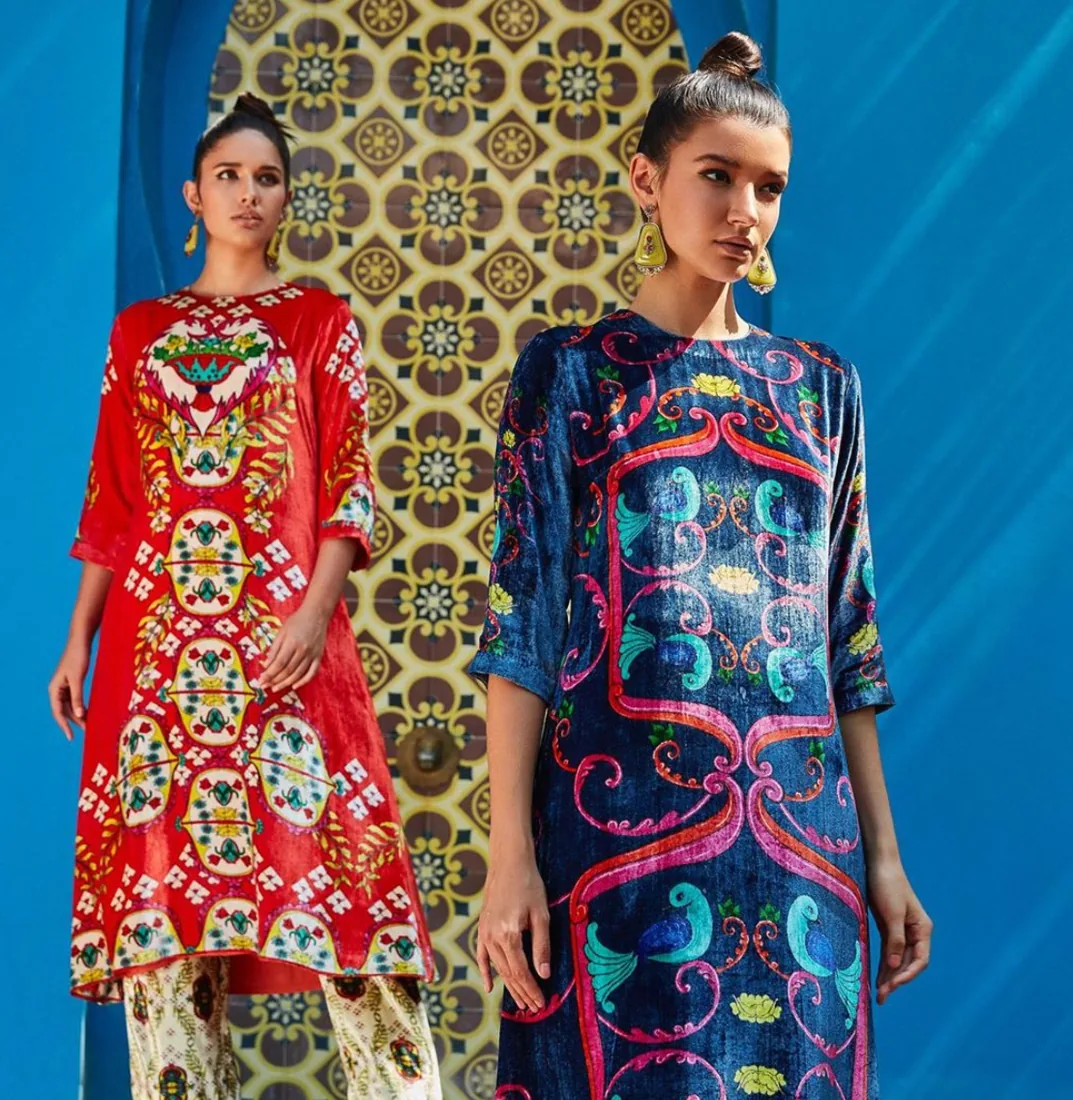
From printed fabric to finished pieces.

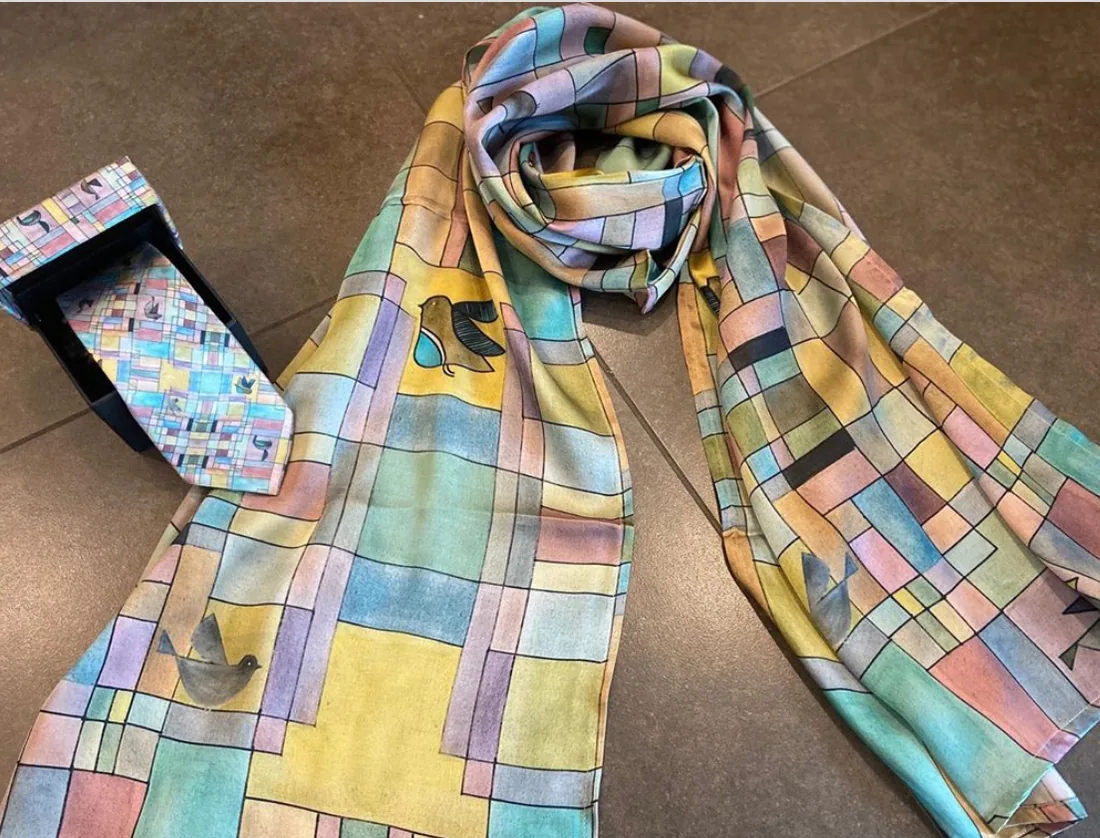
MD client-work examples. Discuss your own fabric, artwork and application with the team.

Fabric printing FAQs

Need help with a specific material? Send the fabric details before choosing a process.

Can you print on any fabric?

No single process suits all textiles. Share fibre content, preparation, finish and intended result so the team can review a suitable method.

Is satin always polyester?

No. Satin describes a weave, not a fibre. Satin may have different fibre compositions, so confirm the actual material before selecting a printing method.

Can I send my own fabric?

Discuss suitability with the team before shipping. General supplied-fabric guidance is a white base and an additional metre for shrinkage and setup. Put your name, contact number, fabric name, width and quantity inside the parcel.

Why is a sample useful?

The stated 44–120 inch capability depends on material and process; usable print width may be less than the roll width. A strike-off can help check detail, shade and hand feel on the material chosen for production.

What details should I send for a quote?

Tell us the composition, GSM where known, usable width, selvedge condition, colour and whether the fabric is supplied or sourced. Print response and finishing depend on the actual material.

Share your fabric details.

Include your fabric, artwork, quantity and destination for a useful printing enquiry.